Creating More Valuable Businesses
Sometimes the underlying business is good, but the way it’s structured, positioned or operated limits what it’s worth. I work with owners and leaders to identify and pursue opportunities that aren’t being realised.
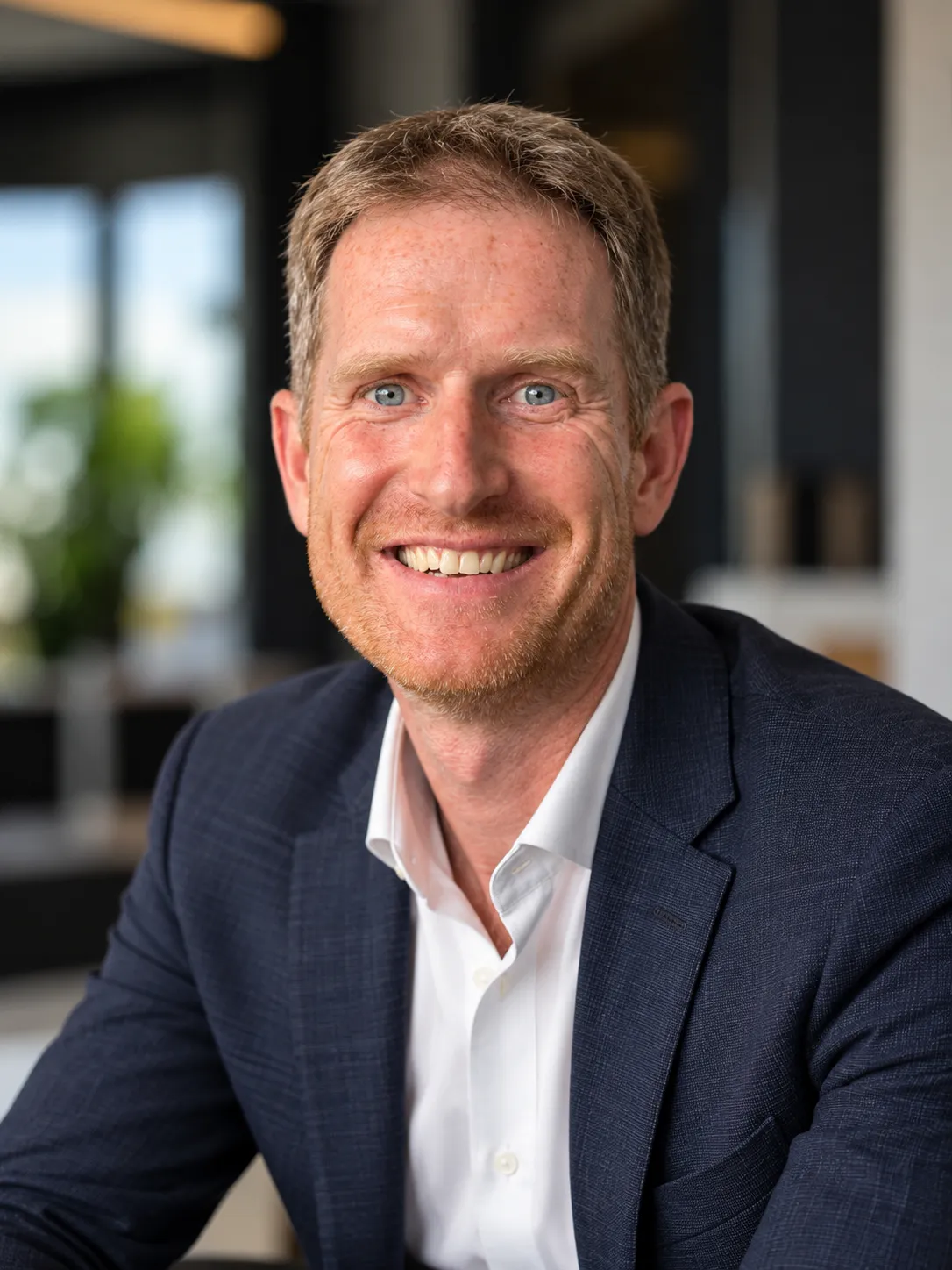
Nathan Aherne
Investor. Adviser. Operator.
I work with business owners and leaders on significant commercial problems, opportunities and decisions.
I’ve spent more than 25 years building, operating, investing in and advising businesses across multiple industries and countries.
Much of my work involves situations where a business could be doing considerably better, something important needs to happen, or the people responsible need an experienced outsider who can see the situation differently and get involved in making things work.
Serious commercial environments — mining, technology, manufacturing, sport, international development and operating businesses at scale. Detail on each linked page.
The work is varied. It might mean building a new business, taking an existing one substantially further, international expansion, a valuable partnership, restructuring commercial operations, a major acquisition, or a problem leadership has not been able to resolve. These are examples of relevant situations — not a catalogue of services.
Sometimes the underlying business is good, but the way it’s structured, positioned or operated limits what it’s worth. I work with owners and leaders to identify and pursue opportunities that aren’t being realised.
Acquisitions, expansion, restructuring, partnerships and major strategic changes. I work directly with the people responsible and help turn decisions into action.
When a business could be doing considerably better, execution is not delivering, or organisational problems are blocking progress. I get involved in understanding what is actually happening and what needs to change.
Some engagements are about creating something new — a market entry, a commercial relationship, a capability taken much further, or an opportunity others have overlooked.
Markets, valuations and deals are not only spreadsheets. They are agreements between people about what something is worth and what happens next.
A company was preparing to raise capital at approximately US$10 million.
The underlying business was sound. The way the opportunity was understood and presented was not.
After the model was reframed, an investor chose a US$96 million valuation.
Same company. Different perception.
Australian.
Work internationally.
70+ country visits in the last three years.
A defined engagement around an important business problem, opportunity or decision — with agreed scope, duration and fee.
Direct involvement with an owner or leadership team over an extended period to help achieve substantial commercial objectives — including growth, restructuring, negotiations, operations and new opportunities. Practical work that can extend to execution, not recommendations sitting in a folder.
Selective ownership or equity relationships where I can contribute significant commercial value through experience, judgement, relationships or direct involvement. Considered individually — not a fund and not the main way I work.
Private sessions and conference formats where owners and leaders examine real commercial problems — useful when judgement and how people think about the business need to shift.
If he can’t find and solve it, no one can.
If something is going wrong in one of our businesses and we cannot work out where it is, Nathan is the person I call. If he can’t find and solve it, no one can.
One of only three people I’ve seen consistently produce exceptional results.
Over the years I’ve worked with thousands of consultants, coaches and advisors. Nathan is one of only three people I’ve seen consistently produce exceptional results.
He’s able to solve problems that very few people can.
I hired Nathan because I wanted to build a successful business. What gives me confidence is knowing that when things become difficult, he’s able to solve problems that very few people can.
Nathan is the smartest guy I have ever met.
It’s like he can see around corners.
Working with Nathan, it’s like he can see around corners.
If something important is in front of you, start with a conversation.